

Unveiling the psychology of casino gaming
The thrill of chance and uncertainty
The allure of casino gaming is often deeply rooted in the thrill of chance, where players are irresistibly drawn to the unpredictability of outcomes. This element of uncertainty creates a rush of excitement, as each spin of the wheel or roll of the dice could lead to significant rewards. When players experience wins, the brain releases dopamine, a neurotransmitter associated with pleasure, which reinforces their desire to gamble. This biochemical reaction elucidates why individuals might be inclined to take risks, especially when they seek options for a casino fast withdrawal uk experience, as even small victories can ignite a sense of euphoria, propelling them back to the gaming tables.
Moreover, the design of casino games is meticulously crafted to enhance this psychological response. Games are structured to ensure that while losses are common, wins are strategically placed to keep players engaged. For instance, slot machines utilize near-misses—where players almost score a win—to trigger the same dopamine release, encouraging them to continue playing despite financial losses. This psychological manipulation creates an environment where players often lose track of time and money spent, as their focus is primarily on the next potential win, which feels just within reach.
Additionally, the casino environment amplifies the sense of thrill and excitement. Casinos are designed with vibrant lights, stimulating sounds, and a seemingly endless array of games—all contributing to an intoxicating atmosphere. This sensory overload can create a state of flow, where players lose track of time and become fully absorbed in the gaming experience. The combination of uncertainty, sensory stimulation, and the rewarding nature of wins makes casino gaming a uniquely captivating pursuit, drawing players back time and again.
The role of cognitive biases in gaming
Cognitive biases significantly influence how players perceive their chances of winning, often leading them to make irrational decisions. One common bias is the illusion of control, where players believe they can influence the outcome of games based on their skill or strategy, particularly in skill-based games like poker. This misconception can lead to overconfidence and increased betting, as players feel empowered by their perceived abilities. Understanding this bias is crucial, as it highlights how players can misjudge their real chances of success, often leading to greater risks than they might otherwise take.
Another prevalent bias is the gambler’s fallacy, which suggests that past outcomes will influence future results. For example, if a roulette wheel has landed on red several times in succession, players may mistakenly believe that black is “due” to hit soon. This fallacy can encourage players to place bets based on flawed reasoning, leading to significant financial losses over time. By being aware of such biases, players can navigate their gambling choices more effectively and maintain a more rational approach to betting, potentially mitigating the risks associated with irrational decision-making.
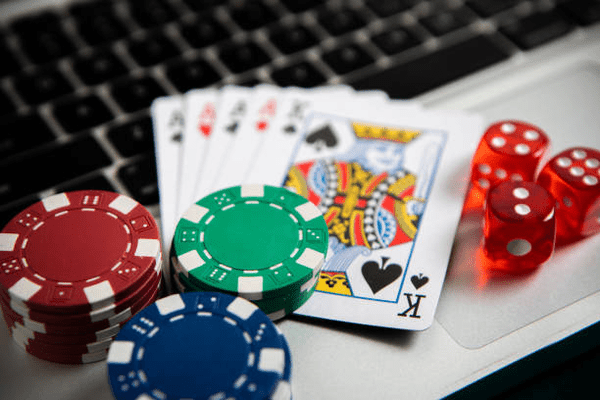
Furthermore, the concept of the “hot hand” phenomenon can also influence player behavior, particularly in games like blackjack. Players might believe that a dealer on a winning streak will continue to win, leading them to place larger bets. These cognitive biases create a distorted perception of reality, influencing not only individual betting strategies but also the overall behavior of players within a casino setting. Recognizing these biases can empower gambling enthusiasts to develop a more informed approach and promote responsible gaming practices.
The impact of social dynamics on gambling
The social environment surrounding gambling can significantly impact player behavior and decision-making. Many individuals engage in casino gaming as a social activity, relishing the camaraderie that comes from sharing experiences with friends or strangers. This social aspect can lead to an increased willingness to take risks, as the presence of others amplifies the excitement and engagement in the game. The shared emotions experienced during gameplay, such as anticipation and elation, create a sense of belonging that further entices individuals to participate, often blurring the lines between casual play and excessive gambling.
Moreover, peer pressure can heavily influence gambling decisions. Players may feel compelled to gamble more or take bigger risks when surrounded by others who are engaging in high-stakes betting. This phenomenon can perpetuate a cycle of increased betting activity; as one player takes a risk and wins, others may be emboldened to follow suit, escalating the stakes and the excitement. Understanding the influence of social dynamics on gambling can help individuals establish healthy boundaries, fostering a mindful approach to gaming that balances enjoyment with responsibility.
Lastly, the advent of online social gaming platforms has reshaped the way players interact with each other and with games. Virtual communities allow players to share experiences, strategies, and advice, enhancing the social aspect of gaming. These platforms often incorporate features such as live chats and multiplayer games, heightening engagement and competition. As many players turn to online casinos, the evolving social dynamics continue to influence gambling behavior and outcomes in new and fascinating ways, necessitating a greater awareness of the potential for both positive and negative influences in group settings.
The mechanics of reward systems in gaming
The mechanics of reward systems in casino gaming are intricately designed to keep players engaged and encourage repeat visits. Casinos frequently employ various incentive structures, such as loyalty programs and cash-back offers, creating a sense of value for players. These reward systems tap into the psychological concept of variable reinforcement, where the unpredictability of rewards maintains player interest over time. In this environment, players may find themselves returning to the casino, motivated by the possibility of earning significant rewards, even when they have faced losses in the past.

Moreover, the principle of instant gratification plays a key role in casino gaming, as players often receive immediate feedback from their actions. Whether it’s the exhilarating sound of coins pouring from a slot machine or the visual spectacle of a winning hand in blackjack, these immediate rewards reinforce the gaming experience. This quick feedback loop can encourage players to gamble more, as they are perpetually in search of that next high. Understanding the dynamics of these reward systems helps to comprehend why players may struggle to walk away, even when they intend to limit their time and expenditure.
Additionally, the psychological phenomenon known as loss aversion can heavily influence player behavior. Research shows that players tend to feel the pain of losses more acutely than the joy derived from equivalent wins, often leading to irrational decision-making. In an effort to recover losses, players may continue to gamble larger amounts, frequently falling into a cycle of chasing losses. This understanding of loss aversion illustrates why casinos are so adept at crafting experiences that keep players engaged, making it essential for individuals to be aware of these psychological challenges when participating in casino gaming.
Understanding the influence of casino websites
With the rise of technology, online casino websites have become ubiquitous, bringing gaming experiences directly to players’ homes. These platforms utilize various psychological strategies to attract and retain customers, employing visually appealing designs and engaging content that mimic the thrills of physical casinos. The digital environment combines the excitement of gaming with the convenience of online access, often leading individuals to spend more time and money than they originally intended. Understanding how these online platforms operate is key to navigating the modern gambling landscape.
Furthermore, online casinos frequently implement algorithm-driven game recommendations based on players’ preferences and past behaviors. This personalized approach can heighten engagement, as players are consistently presented with games that align with their interests. By analyzing user data, online gambling platforms can create experiences that feel tailor-made, reinforcing the desire to engage and explore. This understanding of personalized gaming reveals the power of technology in shaping modern gambling experiences and the need for users to approach these platforms with awareness.
Lastly, the rise of community features in online casinos, such as forums and social sharing, enhances the social aspect of gaming, allowing users to connect and share their experiences. This sense of community can lead to increased engagement, as players feel part of something larger than themselves. However, it also emphasizes the importance of responsible gaming practices, as the allure of social engagement can sometimes lead to excessive gambling. Understanding how these websites operate is crucial for players who wish to approach online gaming with mindfulness and strategy, ensuring that their experiences remain enjoyable and safe.